

Article
Have you heard about the NSW Housing Pattern Book?
This is a subtitle for your new post
If you’ve been researching new home designs, you’ve probably come across the term Pattern Book Design. So what is Pattern Book Design and how does it differ from a custom build?
At Inspiring Homes, we often get asked whether a pattern book design can save time and money, or if it imposes any limitations or are we eligible to build under a Pattern Book design. Here’s everything you need to know to help you decide what’s right for you.
So what is The NSW Housing Pattern Book Design? Well for one it is a pre-designed home plan that can be built with only minor changes. Think of it as an everlasting design that’s already been tried, tested, and approved for practical, stylish living and sustainability.
These designs are created to suit common block sizes and layouts, which makes them faster to plan, quote, and approve compared to starting from scratch.
Why Homeowners Love Pattern Book Designs
I got to say they are faster and are much of a Simpler Process because the design is already created, that way you can just jump straight into pricing, approvals, and then building. Indeed saving a lot of time for everyone involved.
They are also cost effective. Generally they are more affordable because the design and the administration and documentation is already done. You are not paying for a brand new architectural plan.
These Homes have been built before so they have been tried and tested for real.
Although customisation is not involved you do have a chance to change a few things such as materials, facades or finishes without paying for a completely new custom design.
Here are some things to keep in mind when considering if a Pattern Book Design is right for You?
1 - Save on costs and still have a beautiful and functional home.
2 - Site is a standard block - Straightforward and minimal to no slope.
3 - Perfect for home owners that want to move in fast.
4 - Are able to see the actual completed design before taking the next steps.
At Inspiring Homes, we provide a range of pattern book designs that balance quality, functionality and timeless styles. With a touch of customisation to be tailored to your individual tastes making it a unique home for you.
A pattern book design can be a great option if you want a well-planned, cost-efficient, and proven home design, without sacrificing style or quality.
Share This
Related Articles
Related Articles
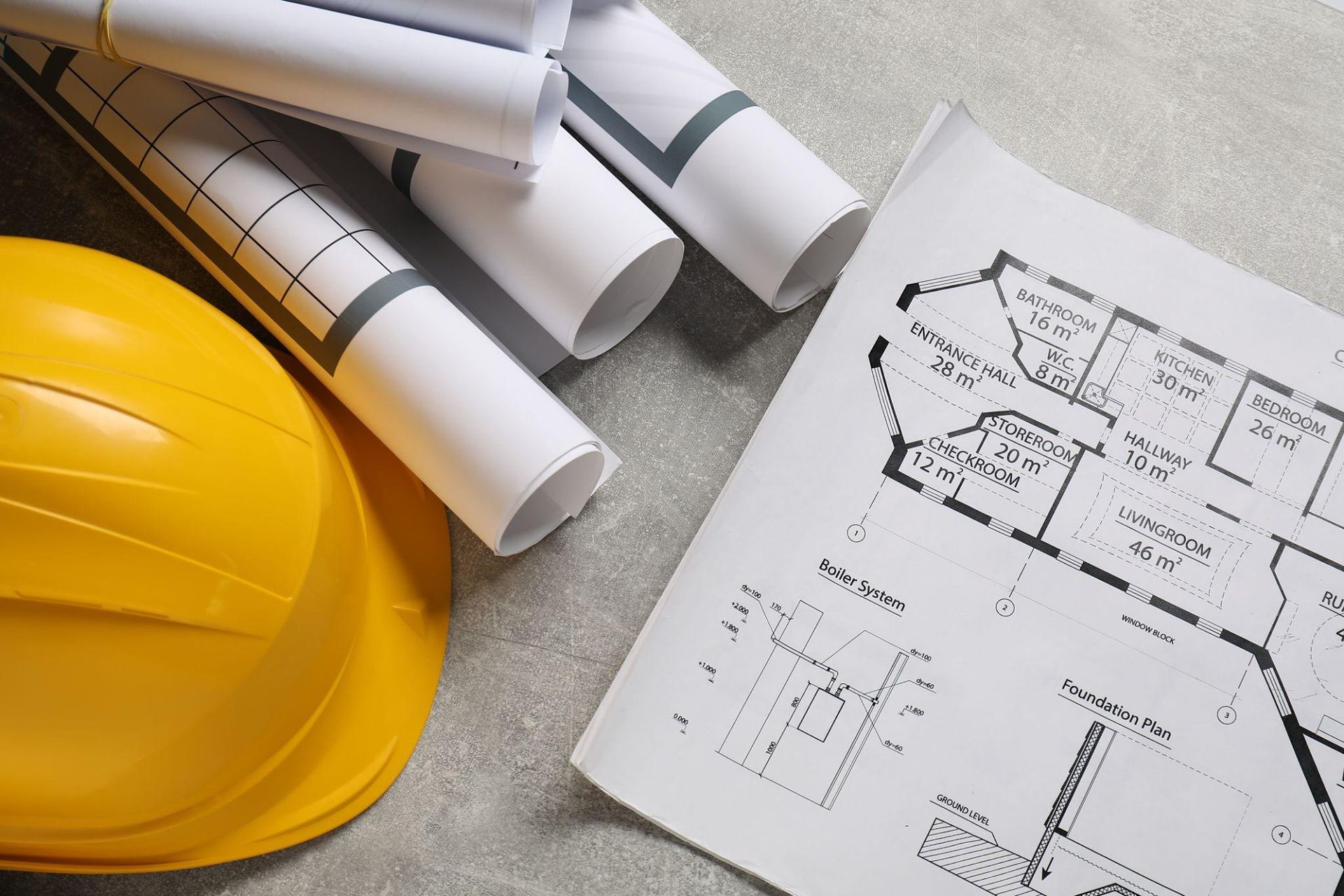
When it comes to building a home, there is a lot more involved than just choosing a design and starting construction. Whether you're building a custom home, duplex or renovating, the planning and design stages are some of the most important parts of the entire building process. Architects and engineers play a major role in how your home is designed and constructed. Their work can have a significant impact on your building costs, construction timeframe and the overall outcome of your project. Unfortunately, when things aren't planned or designed properly from the beginning, it can lead to unnecessary expenses, delays and frustration for homeowners. Getting the Design Right from START is very important An architect is responsible for designing a home that suits your needs, lifestyle and property while also considering council requirements and building regulations. However, designing a home isn't just about making it look beautiful on paper. It's also about making sure the design is practical, functional and achievable within your budget. Sometimes, a design may look great on the architectural plans, but when it comes to construction, certain features may be more complicated or expensive to build than originally expected. This is why we believe it's important for homeowners to have a clear understanding of their design and the potential construction costs before moving forward. How Engineers Influence the Building Process Engineers are just as important as architects when it comes to building a home. Their role is to make sure the structural and technical elements of the home are properly designed and meet the relevant building requirements. This can include the foundations, concrete slabs, structural steel, beams, columns, drainage and other important components. The decisions made by engineers can directly influence how a home is constructed and how much certain stages of the build will cost. For example, a particular architectural design may require additional structural steel or more complex foundations to support it. While these requirements may be necessary, they can also increase construction costs if they haven't been properly considered or allowed for from the beginning. What Happens When Things Aren't Done Properly? One of the biggest challenges in construction is when architectural and engineering plans don't align or important details have been overlooked. These issues aren't always obvious to homeowners, especially when reviewing plans before construction. However, once building works begin, even a small mistake or missing detail can create bigger problems. This can include: Unexpected costs: Additional structural works, materials or labour that weren't originally anticipated. Construction delays: Works may need to stop while plans are reviewed, corrected or updated. Variations: Changes to the original design may result in additional costs for the homeowner. Confusion between trades: Incomplete or conflicting plans can make it difficult for trades to carry out their work efficiently. Additional professional fees: Architects or engineers may need to revisit their drawings or provide further documentation. What may seem like a simple change to a drawing can sometimes have a significant impact on the construction process. And unfortunately, these issues can place additional financial pressure on homeowners who have already committed to a building budget. Why Communication Between the Architect, Engineer and Builder Is So Important At Inspiring Homes, we believe good communication between everyone involved in a project is essential. Architects, engineers and builders all have different responsibilities, but their work needs to come together to achieve a successful build. An architect may have a particular design in mind, and an engineer may specify certain structural requirements. However, it's also important to consider how these elements will actually be constructed on site. This is where involving a builder early in the planning process can make a difference. Builders have practical knowledge of construction methods, materials, labour and the challenges that can arise during a build. Having that input early can help identify potential issues, discuss alternative solutions and provide a better understanding of construction costs before the plans are finalised. Making Changes During Construction Can Be Costly Something we always encourage homeowners to consider is making sure they are happy with their design and layout before construction begins. We understand that sometimes changes can occur, and homeowners may decide they want something different along the way. However, changes made during construction can be far more expensive than making those same changes during the design stage. For example, moving a wall, changing the location of a staircase or altering window sizes may sound straightforward. But depending on the stage of construction, these changes could involve revised architectural drawings, additional engineering, materials, labour and possible delays. This is why it's so important to communicate your expectations clearly with your architect from the beginning. The more thought and planning that goes into your home before construction, the better prepared you can be for the building process. Choosing the Right Professionals, Not Just the Cheapest Quote When planning a new home, it's natural to look for ways to save money. However, choosing an architect or engineer based purely on the cheapest quote or your relationship with them isn't always the best decision. Experience, attention to detail and communication are just as important. A cheaper design fee may seem like a saving initially, but if important details are missed or the plans require ongoing changes, it could end up costing you more during construction. It's important to work with professionals who understand your expectations, communicate clearly and consider the practical side of building. Our Advice to Homeowners Before you start building, take the time to carefully review your plans and make sure you understand what is being proposed. Ask questions, discuss your budget and communicate any specific requirements or changes before your plans are finalised. We also recommend speaking with a builder during the early planning stages, rather than waiting until everything has already been designed and approved. This can help you gain a better understanding of what is involved in constructing your home and whether certain design choices may affect your budget. While not every issue can be predicted or avoided, proper planning and communication can help reduce unnecessary complications. Building a Home Starts with Good Planning At Inspiring Homes , we understand that building a home is a major investment, and the last thing homeowners want is to face unexpected costs or delays that could have been avoided. We believe a successful build starts well before construction begins . Having the right architect, engineer and builder working together, along with clear communication and carefully considered plans, can make a significant difference to the overall building experience. Because building a home isn't just about the finished result. It's also about making the journey to get there as smooth and well-planned as possible. Planning to Build? If you're thinking about building a new home, duplex or renovation, get in touch with the team at Inspiring Homes . We're here to help guide you through the building process, answer your questions and provide practical advice to help you make informed decisions.
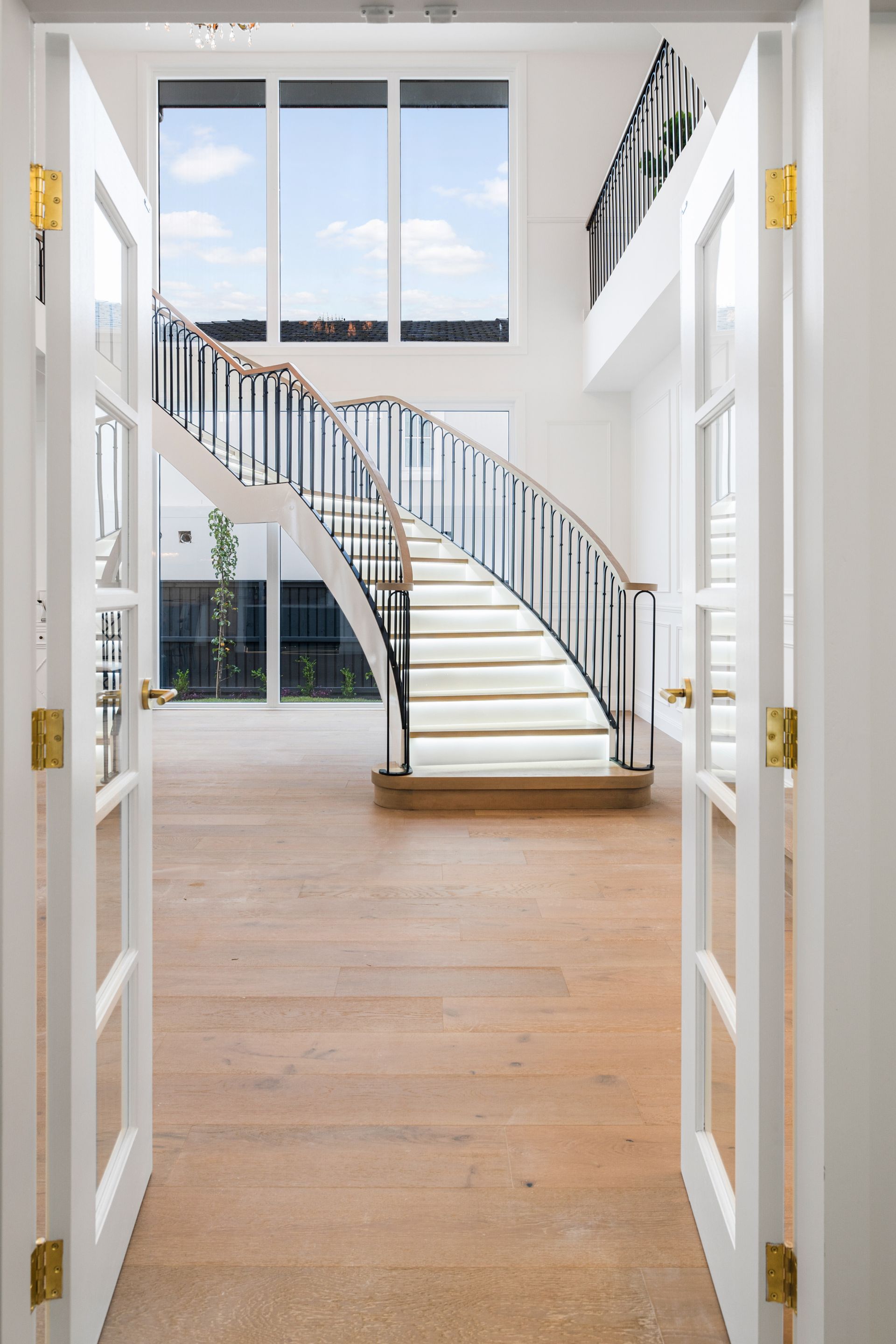
When we think about designing a home, we often think about how it will look, from the kitchen, bathrooms, colours, flooring, finishes and furniture. But for me, good design is about so much more than creating a beautiful home. It is about creating a home that works for the people living in it. Through my work with Inspiring Homes and my experience in interior design, I have learnt how much the design of our surroundings can influence the way we feel and the way we use a space every day. A home should feel comfortable, practical and welcoming. Most importantly, it should suit you and the way your family lives. Ask Yourself This, Is your home designed to make you feel this way? How Do You Use Your Home? Before thinking about colours and finishes, I think one of the most important things is understanding how a family uses their home. Every family is different and use their home for different reasons. Even our everyday routines matter. Where do the kids leave their school bags when they come home? Where do you unpack the groceries? Do you like everyone gathering around the kitchen island? Do you entertain outdoors? These might seem like small things, but they can make a big difference to how well your home works for you. This is why I believe a home should be designed around your lifestyle rather than simply what's currently trending. Making Better Use of Your Space A bigger home doesn't necessarily mean a better home. Sometimes a well-designed smaller space can feel much more comfortable and functional than a larger home that hasn't been planned properly. The positioning of rooms, walkways, doors, windows and furniture all influence how easily you can move through your home. When I look at a floor plan, I try to imagine actually living in that space. How will you move from the kitchen to the dining area? Is there enough room around the island? Where will furniture sit? Is there enough natural light? Is there wasted space that could be used better? Sometimes even a small change to a floor plan can make a big difference to everyday living. A Kitchen Should Look Beautiful, But It Also Needs to Work The kitchen is probably one of the best examples of where good design really matters. For many families, including my own, the kitchen becomes one of the busiest areas of the home. We're cooking, making lunches, unpacking groceries, entertaining and spending time together. A kitchen needs to be practical and designed that way. Where is the fridge positioned? Is there enough bench space? Is the pantry easily accessible? Is there enough storage? Where will the appliances go? These decisions may not be the first thing someone notices when they walk into your home, but they're the things you will notice every day when you live there. What About Storage? Storage is another area that can really affect everyday living. It is easy to focus on the larger design features and forget about where all the everyday things are going to go. Linen, vacuum cleaners, appliances, children's belongings, shoes, cleaning products, they all need somewhere to go right? Good storage can help keep a home organised and reduce clutter, which can completely change how a space feels. I personally believe it's much better to think about these things during the design stage rather than trying to find solutions once the home has already been built or is currently being built. Natural Light makes a big difference Something else I really appreciate in design is natural light and our connection to the outdoors. The right placement of windows and doors can make a home feel brighter, more open and welcoming. I also love when indoor and outdoor areas connect naturally. For example, having your kitchen and living area opening onto an alfresco or backyard can work beautifully for families and entertaining. Colours and Finishes Should Reflect You Colours, textures and finishes can create a completely different feeling within a space. But I don't believe you should choose something simply because it's currently popular. Trends come and go. Your home should reflect your personality and create an environment where you feel comfortable, positive and happy. Good Design Doesn't Always Mean Spending More Good design doesn't necessarily mean choosing the most expensive products. It's about making the right choices. There may be certain areas where it's worthwhile investing a little more and other areas where you can choose a more affordable option without compromising the overall design. Planning these decisions early can also help avoid unnecessary changes and additional costs during construction. For me, this is where having the building and design side working together can be really beneficial. Bringing Design and Construction Together One thing I have really come to appreciate through working within the building industry is how important it is for design and construction to work together. Something may look amazing on a mood board or drawing, but we also need to consider whether it's practical to build, whether it works within the client's budget and whether it will function properly once the family moves in. This is why communication between the client, designer, builder, architect and trades is so important. When everyone understands the same vision and works together, I believe you achieve a much better result. Creating a Home You Love Living In For me, good design is not about creating the perfect Instagram home. It's about creating a home that makes everyday life better and feel better, more comfortable and utilising the right space. At Inspiring Homes , we don't just want to create homes that look beautiful when they're finished. We want to create homes that are practical, comfortable and thoughtfully designed around the people who will live in them. Because at the end of the day, a beautiful home is wonderful, but a beautiful home that works for the way you live is even better. Inspiring Homes: Built on Integrity. Building for Families.
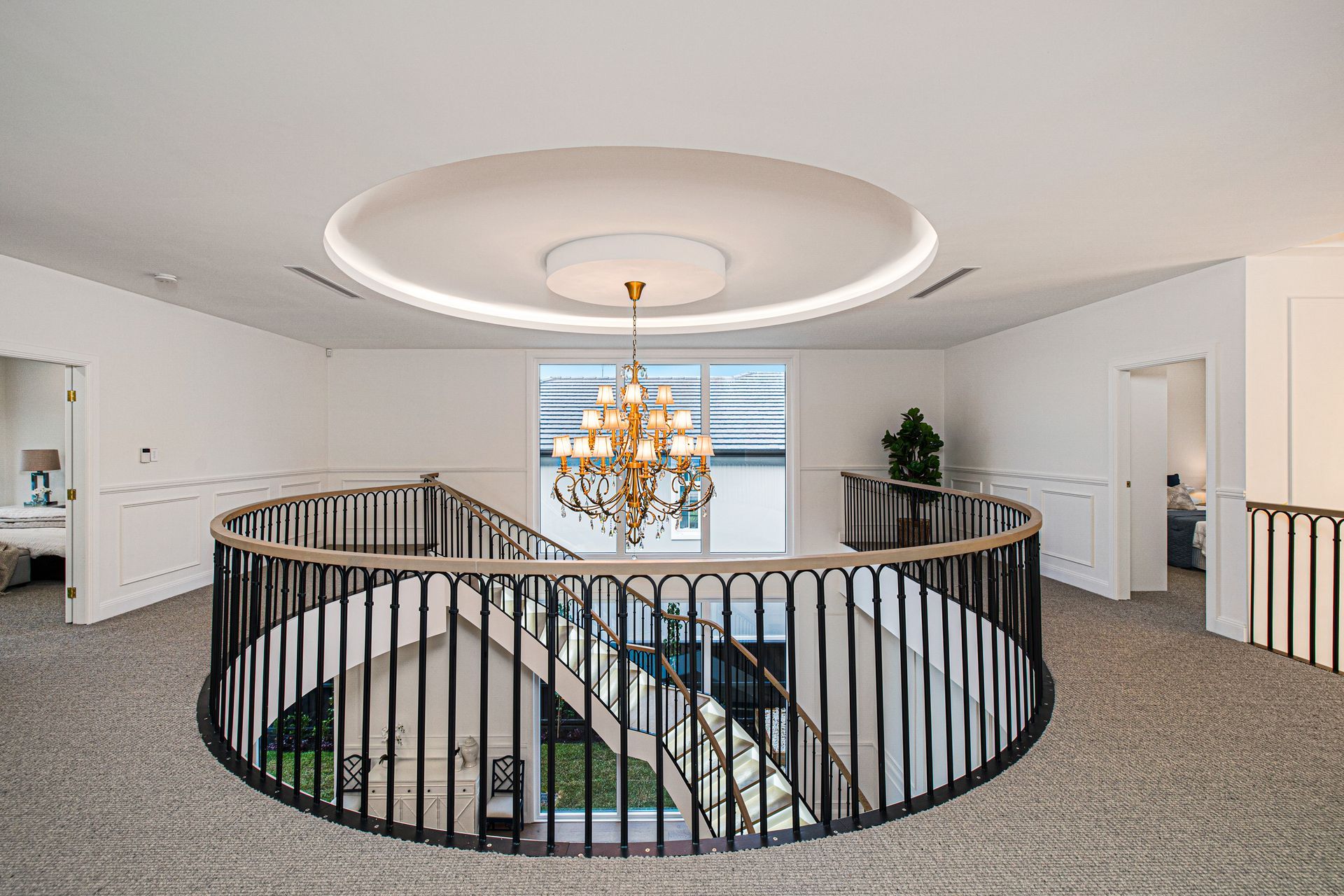
The building industry is changing, and personally, I believe many of these changes are a positive step forward. Over the years, we've all heard stories about building projects that haven't gone to plan, because of poor communication, unfinished work, unexpected costs, compliance issues or, in some cases, work being carried out by people who shouldn't have been doing it in the first place. Building a home is simply too important for that. For most families, their home will be one of the biggest investments they ever make. As regulations become stronger and expectations around builders continue to increase, I believe we're moving towards an industry where professionalism, accountability and quality matter more than ever. The Building Industry Is Changing It sure is: There is a lot more involved in building a home today than what you see happening on site. Builders need to keep up with changing legislation, approvals, licensing requirements, documentation, building standards, reporting and compliance responsibilities. In NSW, we're continuing to see reforms aimed at improving accountability across the building industry. Building Commission NSW has also increased its focus on compliance and unlawful building activity. As someone working within the industry, I see this as a good thing. Greater accountability helps protect homeowners, but it also supports the builders and trades who are doing the right thing and genuinely care about the standard of work they deliver. Professionalism Is More Than Being Able to Build a House Something I think homeowners sometimes don't realise until they begin their building journey is just how much happens behind the scenes. Being a professional builder isn't simply about organising trades and constructing a house. It's about managing the entire process properly. It's communicating with clients, understanding plans, coordinating consultants and trades, keeping documentation organised, managing compliance requirements, monitoring workmanship, solving problems as they arise and taking responsibility for the finished home. For me, that professionalism is just as important as what you physically see being built. Higher Standards Are a Positive Thing As regulations and compliance requirements become stronger, there is greater pressure on everyone within the industry to maintain appropriate standards. And that's how it should be. Builders who operate professionally, maintain their licensing and compliance obligations and take pride in their workmanship should take greater accountability. This creates an industry where homeowners can make more informed decisions and where quality builders aren't competing purely on who can provide the lowest price. Ultimately, I believe this helps lift the standard of our industry as a whole. Homeowners Are Asking More Questions, And So they Should I also think homeowners today are becoming much more informed. People are researching their builders, asking what's included in their quote, looking at previous projects and wanting to understand exactly who they're trusting with their home. Don't be afraid to ask questions before choosing your builder. Ask about their experience. Look at their previous work. Check their licence. Understand what's included in their proposal. Ask how they communicate throughout construction and how the project will be managed. Most importantly, choose someone you feel comfortable working with. A building project can take many months, sometimes longer, so having trust and good communication between the homeowner and builder can make such a difference to the experience. The Cheapest Builder Isn't Necessarily the Best Value Price will always matter. Every family has a budget, and I completely understand that. But there's a difference between being budget-conscious and simply choosing the cheapest quote. A lower initial price doesn't necessarily mean the project will cost less by the time it's finished. It's important to look at what's included, the quality of materials and trades being allowed for, how detailed the quote is and whether there are areas that could potentially become variations later. Sometimes paying a little more for experience, organisation and quality can provide much greater value over the life of your home. The real meaning behind a Custom Home Builder When people hear the words custom home builder , they sometimes immediately think of an expensive or extravagant home. That's not necessarily what custom building means to me. A custom home is about creating something that works for you. Every family lives differently. Every block of land is different. Budgets are different, priorities are different and the way people want to use their homes is different. A professional custom builder should take the time to understand those things and work with the client, designer, architect, consultants and trades to find practical solutions. It's not always about spending more. Sometimes it's more about making better decisions about where to spend your money. What This Means for Us at Inspiring Homes At Inspiring Homes, we've always believed that building is about much more than construction. We're a family business, and when we're working on someone's home, we're very aware that we're dealing with another family's future. That's why communication, transparency, collaboration and integrity are so important to us. We want our clients to understand what's happening with their project and feel comfortable asking questions throughout the journey. Whether we're working on a custom home, knock down rebuild, duplex, renovation or another residential project, our goal is the same; that is to deliver something that has been properly considered, professionally managed and built with care. There's a reason why Built on Integrity means so much to us. It's not simply something we say; it's the standard we want reflected in the way we work. A Stronger Industry Benefits Everyone I believe the changes happening within the NSW building industry have the potential to create something very positive. Greater regulation, better accountability and higher expectations can help protect homeowners while also recognising the builders and trades who are committed to doing things properly. There will always be challenges within construction, and no building project is completely without them. What matters is: how those challenges are managed, how openly people communicate and whether everyone involved takes responsibility for achieving the best possible outcome. At the end of the day, we're building places where people will raise their families, celebrate milestones, come home at the end of the day and create memories for years to come. And I believe something that important deserves to be built properly, professionally and with integrity. Thinking about building or renovating in Sydney? At Inspiring Homes, we're always happy to have an initial conversation, answer your questions and help you understand the options available for your project.
